Howth Cliff Walk: A Step-by-Step Guide for Seniors
The complete breakdown of Dublin's most popular cliff walk — distances, difficulty levels, rest points, and what you'll actually see on the trail.
Why Howth Matters for Coastal Walkers
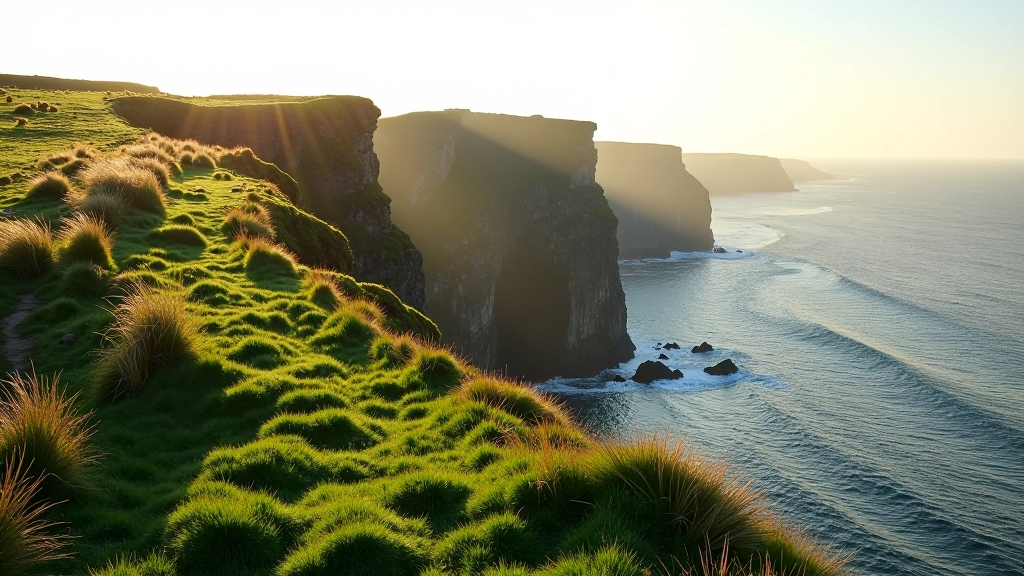
Howth Head isn't just another cliff walk. It's one of Dublin's most accessible coastal experiences, with a mix of gentle pathways and dramatic sea views. We've walked this route dozens of times and know exactly where to stop, what to watch for, and how to make it work for your pace and fitness level.
5.2 km loop
Full circuit around the headland with multiple exit points
Moderate elevation
250m cumulative climb spread across the walk
7+ rest spots
Benches positioned at key viewpoints and flat sections
Year-round access
Open daily with seasonal conditions to watch
Getting There and Starting Strong
The Howth Head trail starts near the Summit pub in the village center. Don't park there — the lot's always full. Instead, use the larger car park near Howth Harbour, which has dedicated spaces for older drivers and it's only a 10-minute walk to the actual trailhead.
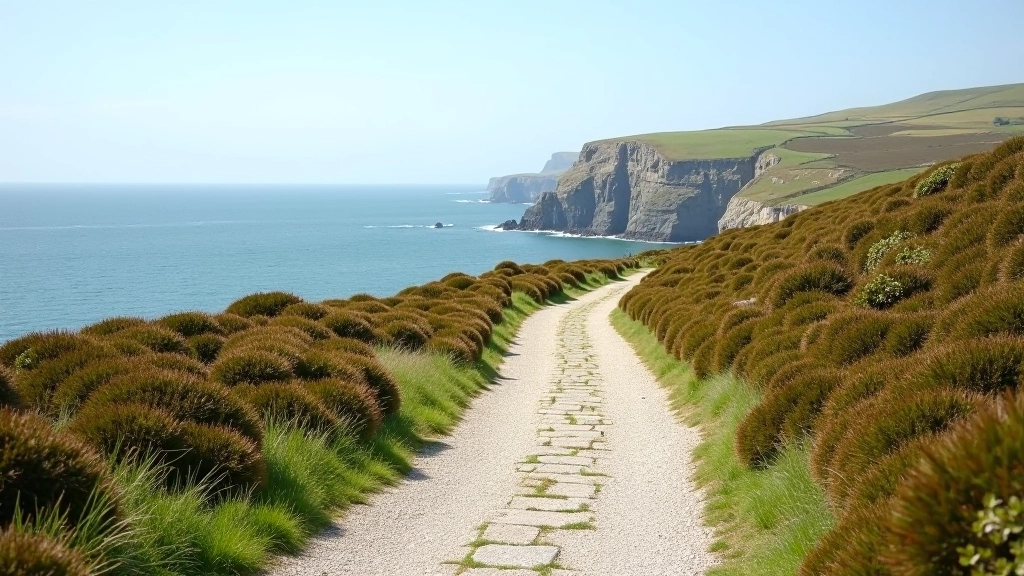
Once you're at the Summit, you'll see a clear stone path heading east. This is the Bailey Loop section, and it's the easiest part of the entire walk. The first kilometer is almost flat, bordered by gorse bushes that bloom bright yellow in spring. You're not really on the cliff edge yet — you're on the shoulder of the headland with views starting to open up as you gain height gradually.
The path widens here, which matters. You're not scrambling or navigating narrow bits. Just a steady, wide stone trail that's been maintained for decades. Most walkers we've talked to say this opening section builds confidence — it's beautiful without being intimidating.
The Bailey Lighthouse Section: Where Views Get Serious
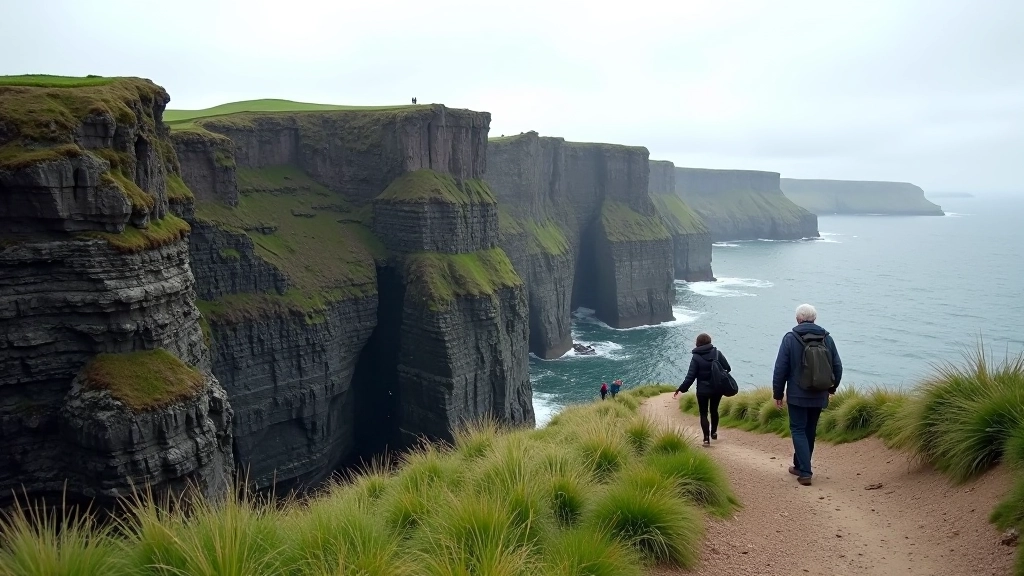
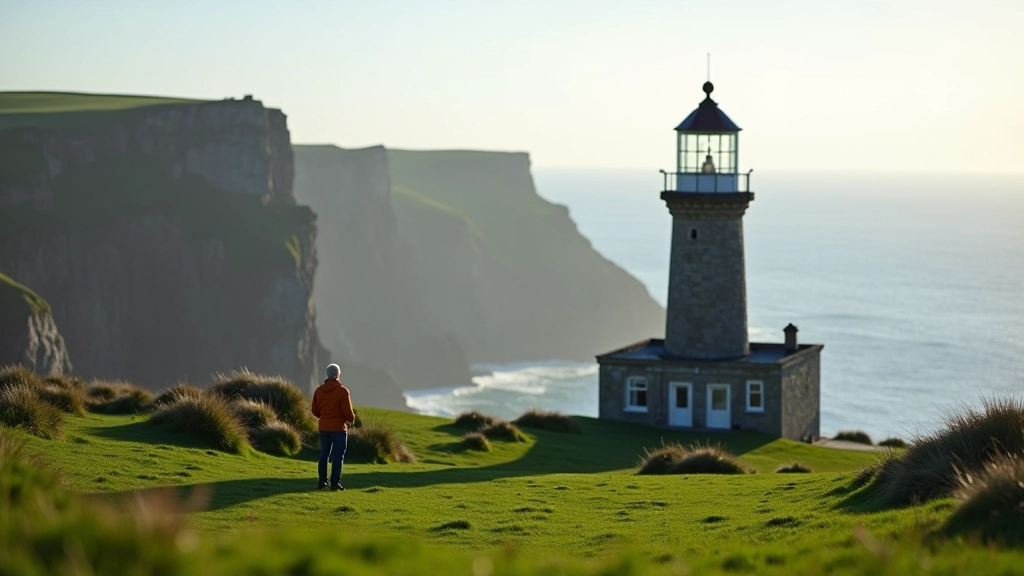
After about 1.5 km, you'll reach Bailey Lighthouse — the white tower that's basically the symbol of Howth. This is where the walk becomes genuinely dramatic. You're now on the actual cliff edge, with the Irish Sea directly below. The rocks are red and jagged, and on clear days you can see all the way to Wales.
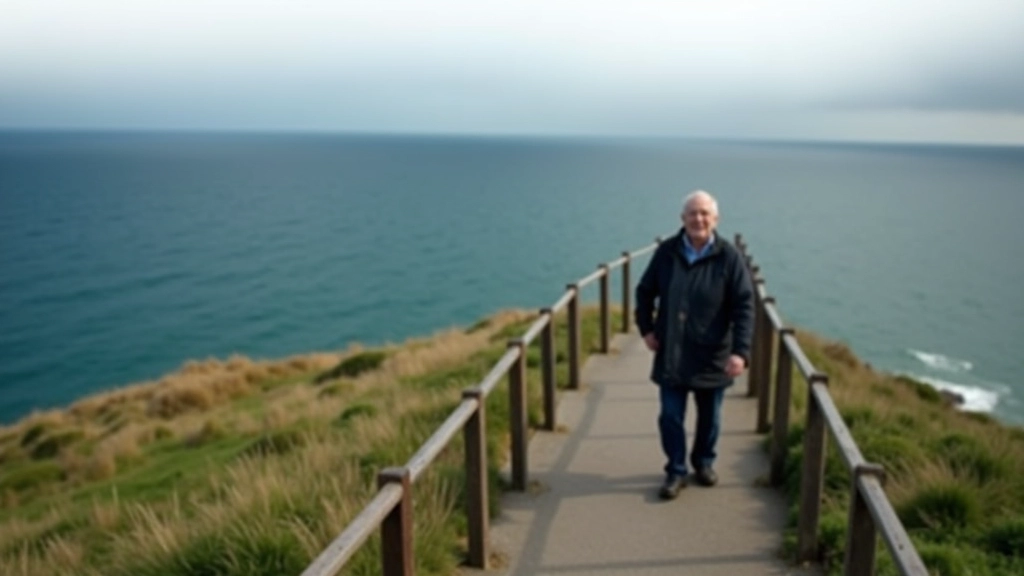
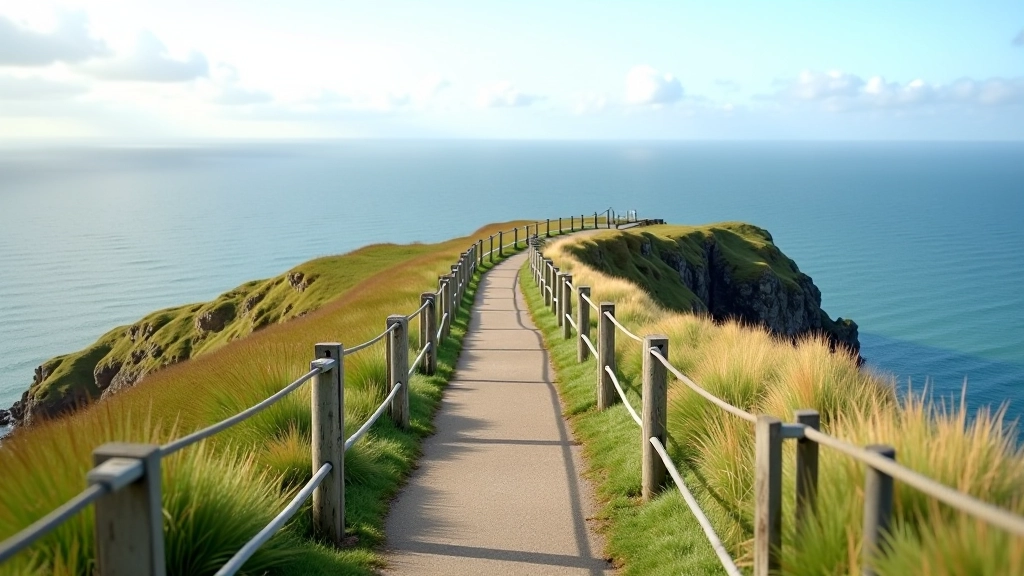
Here's the thing about this section that nobody tells you: it's not as exposed as it looks. The path has a proper wall on the dangerous side, built specifically to keep walkers safe. Yes, there's a sheer drop beyond it, but you're not teetering on an edge. The trail is 3 meters wide, well-marked, and maintained regularly.
There's a bench right at the lighthouse. This is a solid stop point. We recommend sitting for 10 minutes, catching your breath, and taking in the view. You've done about 2 km at this point — the steepest bits are actually behind you now, even though it doesn't feel that way.
The Shearwater Cliff Section and Finding Your Rhythm
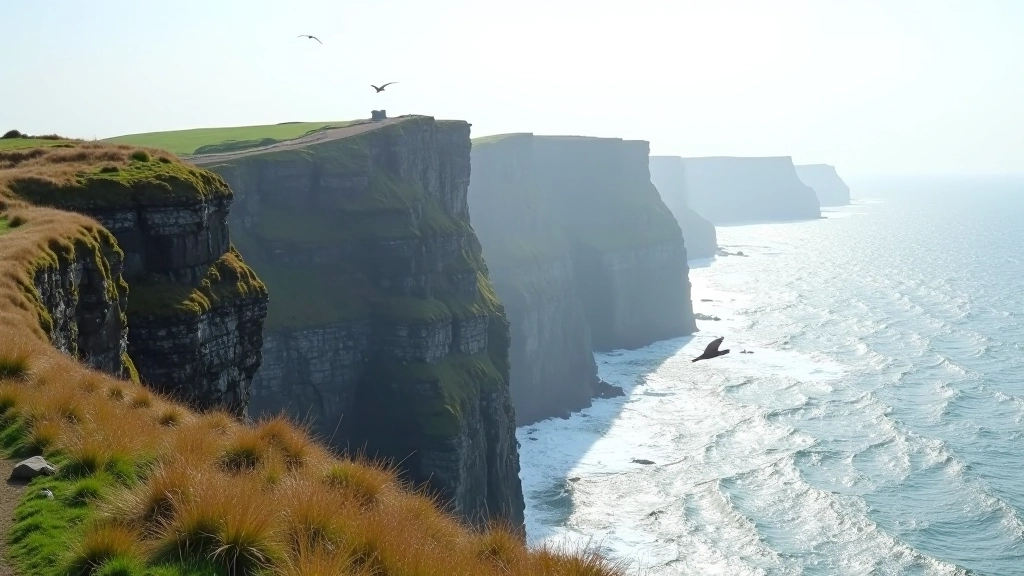
From the lighthouse, the path curves north along Shearwater Cliff. This is where you'll see why the walk's worth doing. The rocks drop maybe 100 meters straight down, and in summer you'll spot nesting seabirds — razorbills, guillemots, and actually shearwaters (the namesake of this section). Watching them dive and wheel around the cliff face is honestly mesmerizing.
The path here is narrower than the Bailey section — maybe 1.5 meters wide — but still completely safe. There's always a wall or railing between you and the drop. The ground's a bit rougher too, with more grass and fewer maintained stones, but it's absolutely manageable for anyone with decent knees and balance.
You'll hit another bench around the 3 km mark. If you're feeling the walk at this point, it's totally fine to turn back here using the same route. That's a 6 km total walk, takes about 90 minutes, and covers all the best bits. We've done that version plenty of times.
But if you've got energy left and your knees are happy, keep going. The final 2 km is actually easier than what you've already done.
The Final Loop: Easier Than You'd Expect
The last 2 kilometers bring you around the north side of the headland, where the terrain actually flattens out noticeably. You're still on the cliff edge, but now you're looking at views of Dublin Bay, the Poolbeg chimneys, and on clear days, the Wicklow Mountains inland. The wind can be stronger here — it's more exposed — but the walking itself is genuinely easier.
You'll pass through an area with fewer tourists. There's another bench at around 4.5 km, positioned perfectly for watching sailboats in the bay. This is where you feel like you've done something. You've made it around Howth Head, seen the dramatic bits, and now you're in the home stretch.
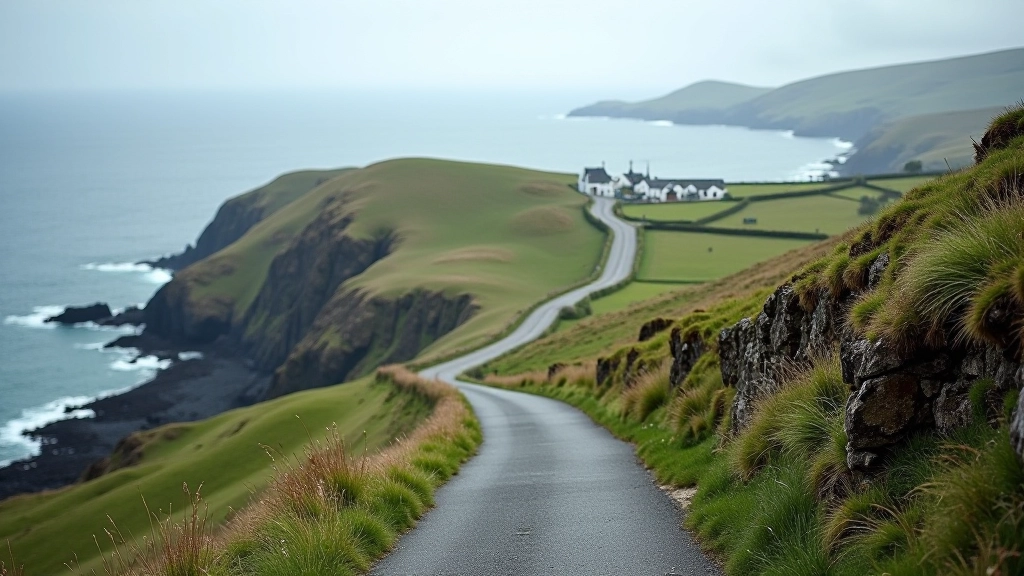
The final kilometer brings you back toward civilization — you'll see the village coming into view, the harbor getting closer, and eventually you'll hit the descent that takes you back down to sea level. The last 500 meters are downhill and wider, almost a jeep track width. Your knees might feel this bit more than anything else on the walk, which is honestly normal.
Making the Walk Work for You
Check Weather First
Wind matters more than rain here. Anything over 40 km/h and you'll be fighting it, especially on the northern section. Check the forecast the night before and be willing to reschedule.
Wear Proper Footwear
Not hiking boots necessarily, but proper walking shoes with ankle support and grip. The stone path's smooth but can get wet and slippery. We're talking about people slipping more on this trail than any other hazard.
Bring Layers and Water
It's always 3-5 degrees colder on the cliff than in the village. Bring a windproof layer, even in summer. Two liters of water minimum — there's nowhere to refill once you're on the trail.
Use Trekking Poles
Don't skip this. Poles aren't just for descents — they reduce impact on knees by about 25% across the entire walk. They also give you stability on the steeper bits.
Know Your Exit Points
You can turn back at 1.5 km (just before Bailey), at 3 km (after Shearwater), or complete the full 5.2 km loop. There's no shame in stopping early — it's about enjoying yourself, not proving something.
Go Midweek in Off-Season
Summer weekends? Crowded. April, May, September, October midweek? You'll have it mostly to yourself with better light and fewer people to navigate around.

The Bottom Line
Howth's not a casual stroll, but it's not extreme hiking either. It's a proper walk with real views and a genuine sense of accomplishment when you're done. You'll see seabirds, dramatic geology, and some of the best coastal scenery near Dublin. Most importantly, you'll do it at your own pace, with plenty of places to rest and plenty of reasons to keep going.
Start with the Bailey Loop if you're unsure. That alone is a complete experience. But we think you'll surprise yourself. We've watched people come back and do the full circuit the next time, because once you've tasted it, you want more.
Important Safety Notice
This guide is informational and based on typical conditions at Howth Head. Trail conditions change seasonally and weather can affect accessibility. Always check current conditions before visiting, bring appropriate safety gear, and consider consulting your doctor if you have mobility concerns. The cliffs are genuine drop-offs — exercise caution and stay on marked paths. This guide is not a substitute for professional guidance or your own judgment about your physical capabilities.
More Cliff Walks Worth Exploring