Cliff-Edge Safety: Essential Etiquette & Best Practices
Stay safe while enjoying Ireland's most dramatic coastal views. We've covered weather awareness, proper footwear, walking technique, and when it's time to turn back.
Why Safety Matters on Coastal Walks
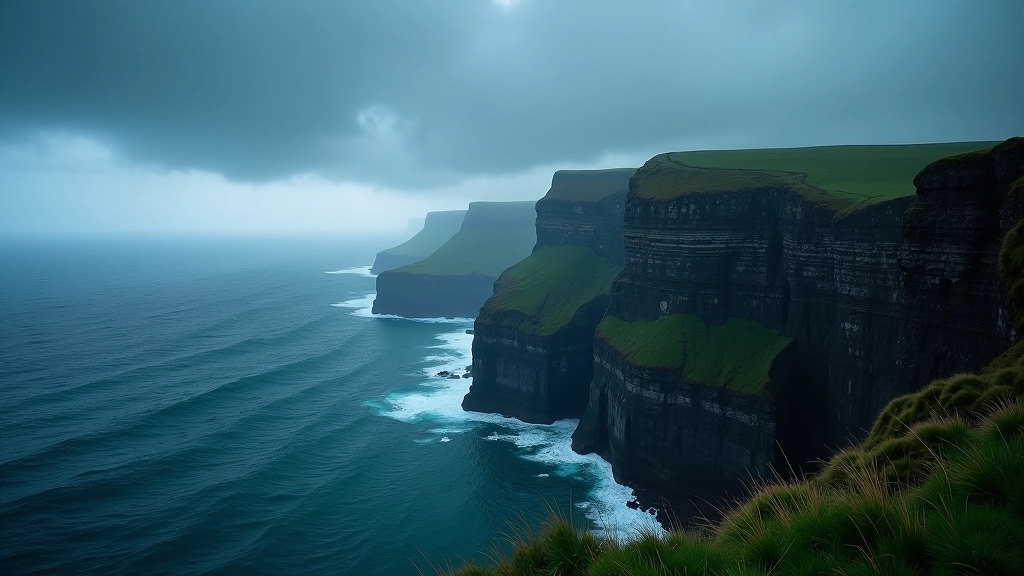
Ireland's cliff walks are stunning — there's nothing quite like standing on the edge of the world, watching the Atlantic crash below. But here's the reality: they're also unforgiving. Every year, visitors get injured or worse because they weren't paying attention to their footing or the weather.
We're not saying this to scare you. We're saying it because most accidents are completely preventable. You don't need to be fearless to walk these trails — you need to be careful, aware, and honest about what your body can handle on any given day.
The Core Rule
Don't get close to the edge. That sounds obvious, but people do it anyway — leaning out for photos, testing the ground with their foot, trying to see straight down. Stay at least 2 meters back from any unprotected edge. If there's a railing, use it. If there's no railing, step back further.
Footwear: Your First Line of Defense
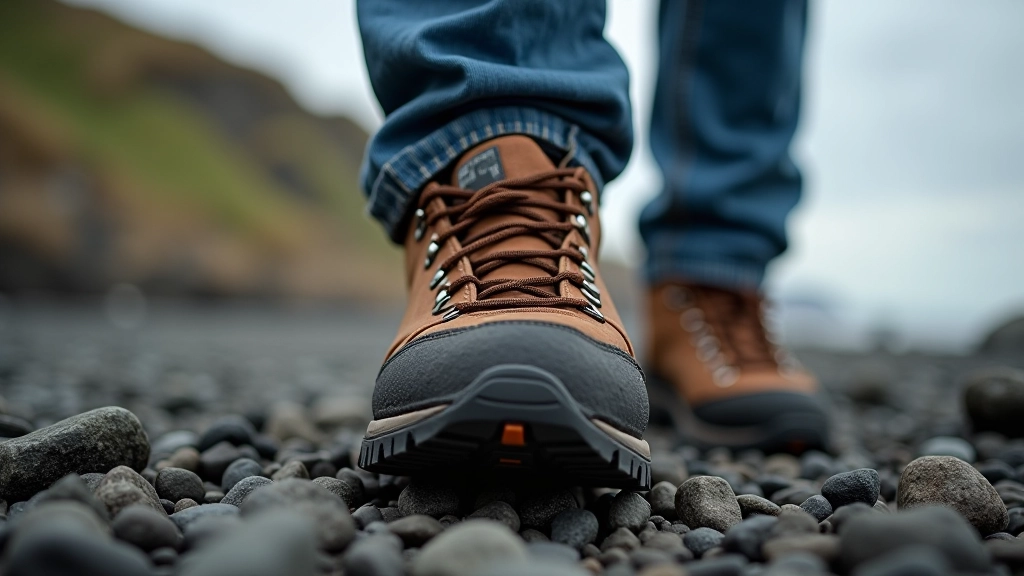
It starts with your feet. Worn-out trainers or smooth-soled shoes are asking for trouble on wet grass and muddy trails. You're not climbing mountains — you're walking on steep, slippery slopes where one slip means you're sliding downhill fast.
Proper hiking boots or walking shoes with grip soles make an enormous difference. Look for:
- Good ankle support (high enough to stabilize your ankle on uneven ground)
- Deep tread on the sole (not smooth, not worn down)
- Waterproof or water-resistant material
- Broken in — not brand new
If you're walking in winter or after rain, consider microspikes or trail crampons. They grip ice and wet grass like nothing else. Most people don't think they need them until they've slipped once.
Weather: Know When to Turn Back
This is where a lot of people get stubborn. They've driven an hour to walk these cliffs. The weather's not perfect, but it's not terrible either. So they go anyway.
Don't. Irish weather changes in minutes. What looks manageable at 9am can turn into a wind and rain situation by 10:30am. When visibility drops, when the wind gets strong, when rain makes the grass slippery — you're not enjoying the views anymore, you're just trying not to fall.
Specific conditions that mean "turn back now":
- Wind gusts strong enough to push you slightly (usually over 40 km/h)
- Visibility less than 100 meters (you can't see where the edge is)
- Heavy rain making the grass slick
- Fog that obscures the cliff line
You'll come back. The cliffs aren't going anywhere.
Walking Technique on Steep Ground
You're not on a flat path anymore. Cliff-edge walking requires awareness of your body position and deliberate foot placement. Here's what actually works:
Face Downhill When Going Down
It feels counterintuitive, but facing downhill and moving backward or sideways gives you better balance and lets you see your foot placement. If you're facing away from the slope, your heels can catch and you'll lose your balance forward.
Use Trekking Poles
Poles aren't just for comfort — they're stability. Two points of contact with the ground (your feet) becomes four points (feet + poles). This is especially important on descents where your knees take all the impact.
Small, Deliberate Steps
Don't stride. Take smaller steps, especially on steep sections. Test each step before putting your full weight on it. This takes longer but it's safer and, honestly, easier on your knees and hips.
Keep Your Center of Gravity Over Your Feet
Don't lean backward on steep descents (it makes you more likely to slip) and don't lean forward toward the edge. Stand upright, or slightly forward on uphills, keeping your weight centered.
Cliff-Edge Etiquette: Respecting Others
Safety isn't just about yourself. When you're walking narrow cliff-edge paths, you're sharing space with other people who're also trying not to fall. Here's how to be respectful:
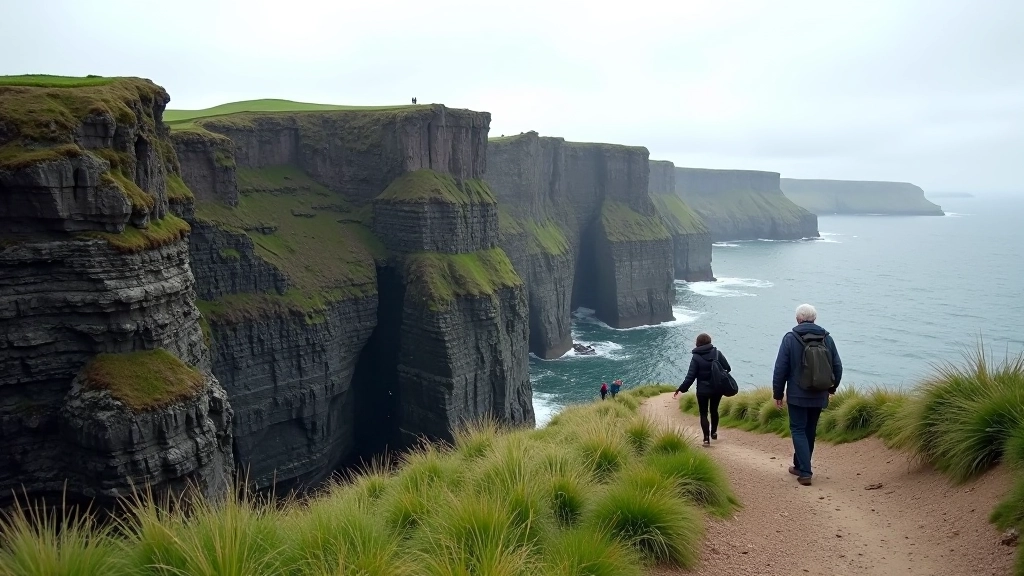
Give other walkers space — don't crowd them toward the edge. If someone's taking photos, let them finish before you squeeze past. If you're faster, find a safe spot to let others pass. Don't rush. This isn't a race.
And for the love of everything, don't lean on other people or grab them for balance. You might pull them over with you.
Assess Yourself Honestly
This is the hard part. You need to be realistic about your fitness level, balance, and what your knees or hips can handle on any given day. A cliff walk isn't about proving anything. It's about having a good time safely.
Are You Feeling Good Today?
Tired? Joint pain? Dizzy? Those aren't reasons to push through. They're reasons to choose an easier walk or skip it entirely. There's always another day.
Have You Done This Walk Before?
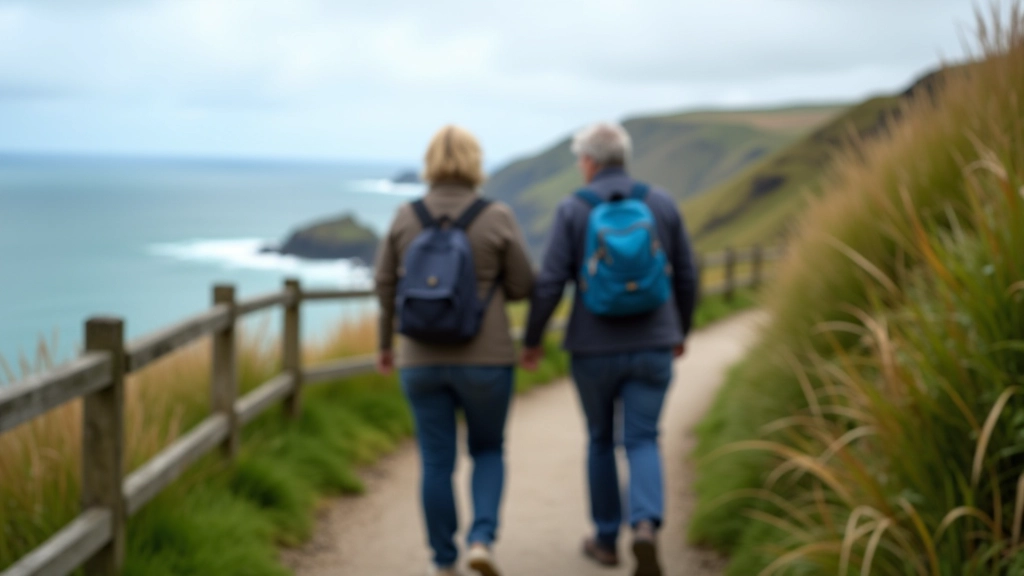
First time on a particular trail? Go slower than you think you need to. Bring a walking buddy. Stop frequently. You're learning the terrain, not racing through it.
Are You Properly Equipped?
Good boots? Trekking poles? Weather-appropriate clothing? Water and snacks? Don't wing it. Being unprepared makes everything harder and more dangerous.

Emergency Basics
Keep your phone charged. Tell someone where you're going and roughly when you'll be back. If something happens — you fall, someone else falls, you get lost — call emergency services (999 in Ireland). Don't try to be a hero. Don't try to self-rescue.
Bring a small first aid kit: plasters, pain relief, blister pads, and a triangular bandage. Most injuries on cliff walks are twisted ankles, blisters, or small cuts. You can manage those yourself until you get to proper help.
If you're walking with someone else and they get injured, stay calm. Assess what you can safely do. Don't move someone with a suspected spinal injury. Call emergency services and wait.
The Bottom Line
Ireland's cliff walks are extraordinary. They're worth doing carefully, not recklessly. You're not being boring or cautious — you're being smart. Every year thousands of people walk these trails safely because they respect them, prepare properly, and know when to turn back.
Good boots. Decent weather. Honest self-assessment. A walking buddy. Stay back from the edge. These simple things add up to a walk you'll actually enjoy and remember for the right reasons.
Important Disclaimer
This article provides educational information about cliff-edge safety and best practices for coastal walks in Ireland. It's not a substitute for proper training, professional guidance, or your own judgment. Coastal walking carries inherent risks including falls, adverse weather, and difficult terrain. Always assess your own fitness and ability level, follow all posted warning signs and restrictions, and consider hiring a local guide for unfamiliar trails. In case of emergency, contact local authorities immediately. Weather and trail conditions change rapidly — check current conditions before you go.

Related Articles